

FLORILEGIUM
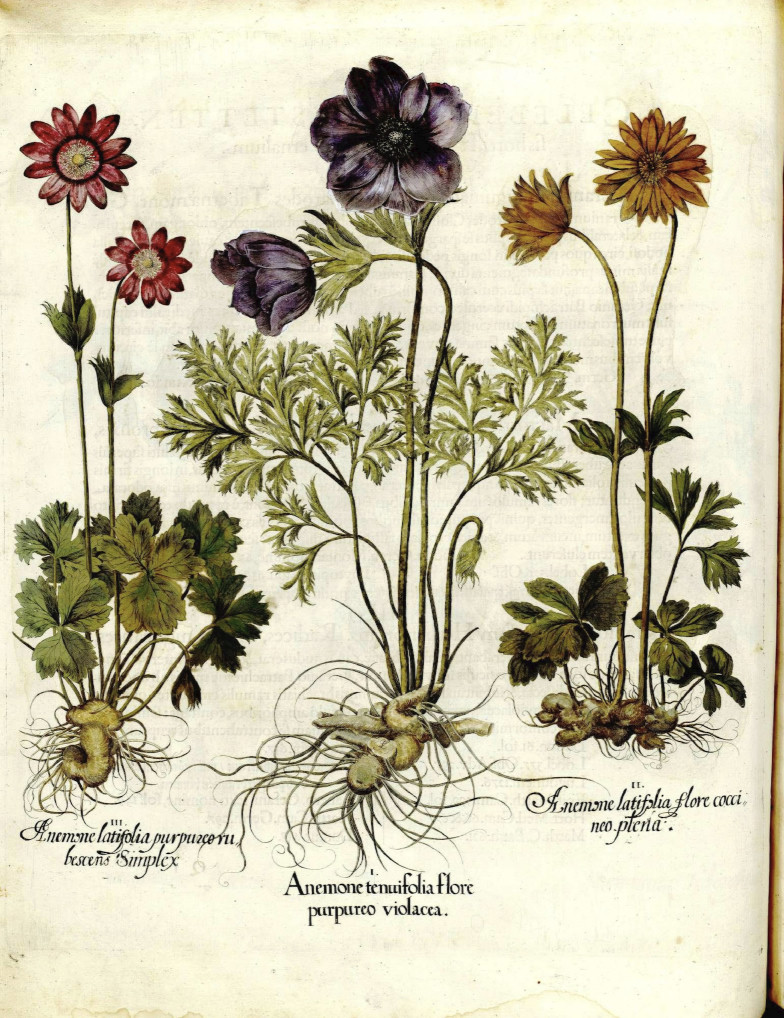
flor·i·le·gi·um — a gathering of flowers. The medieval word for a book of passages copied out by hand: what one reader chose to keep.
Florilegium is a small free tool that leaves one line a day at the bottom of the window where you work. Reading it takes a few seconds. That's the whole product.
Intelligence got cheap. Most of what you read now came out of a model, and you can tell. What flattens people trains the next model; the loop runs downhill. This page goes the other way, at walking speed.
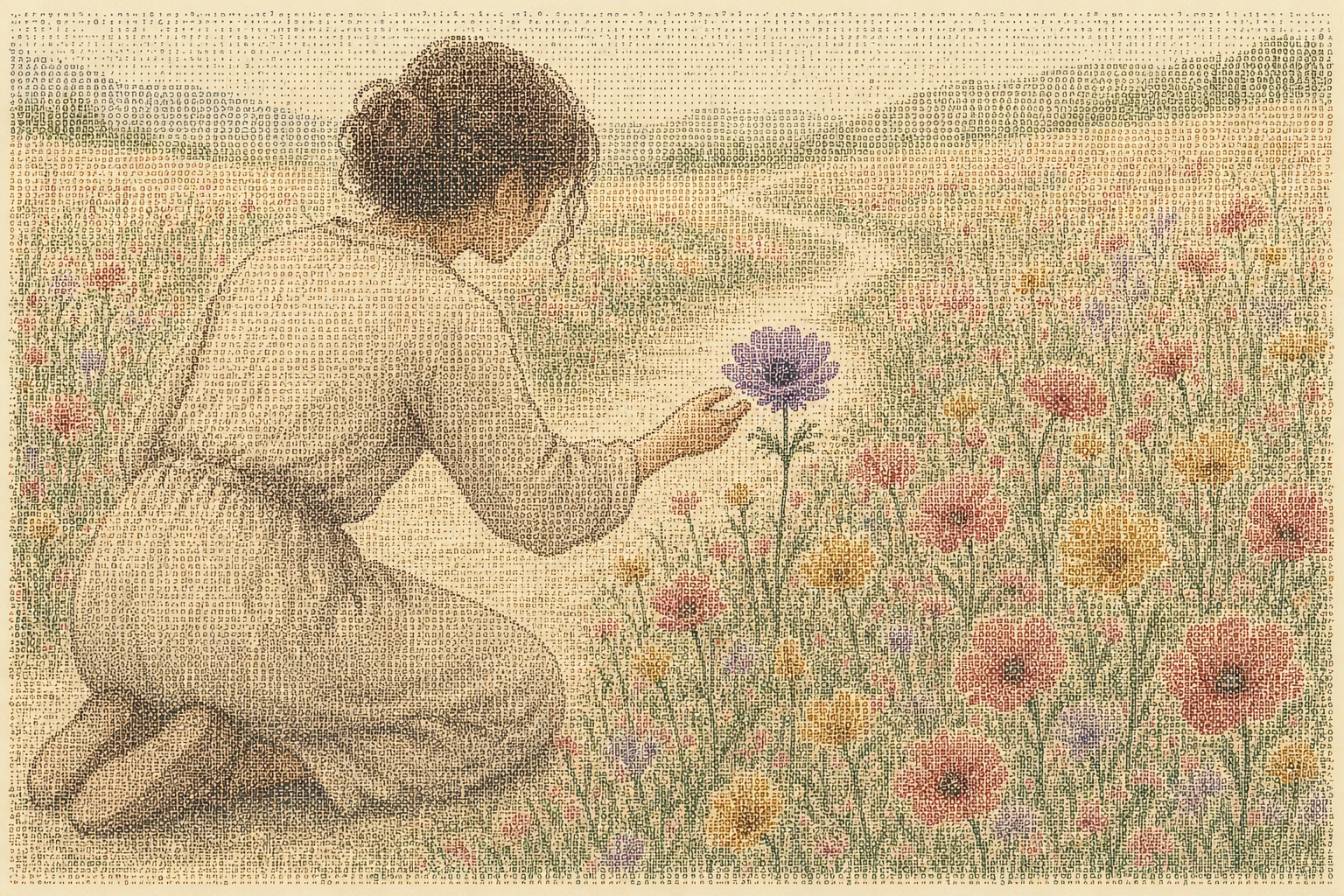
For centuries readers kept commonplace books: notebooks where they copied, by hand, whatever they wanted to keep. The copying was slow, and that was the point. She is not gathering the whole field. The one she wanted to kneel for.
Florilegium does the daily part. One line at the bottom of the window where you work: a word you have read a hundred times and never once written, or a sentence from a book you gave it, quoted exactly. A few seconds to read, nothing to sign up for. If it says nothing to you today, it costs nothing. Tomorrow brings a different flower.
Taste is how you choose; values are why.
Both are gathered along the way.
bash florilegium/plugin/scripts/install.sh
free · everything stays on your machine · it speaks only when spoken to